First enterprise deal in 11 weeks. · 8 in 10 calls land a clear next step. · Win rates up once the system is running.





Two starting points, one system.
Selling still runs through you. Or hasn't properly started.
Whether nobody has paid yet, or growth still depends on you, we work out what needs writing down: who you sell to, the value story, qualification, discovery, next steps and the weekly rhythm. Then we build the first system you and your team can run.
The team's in place. The number's still hard to nail.
When you're adding sellers, moving upmarket, opening a new market or trying to make the forecast more believable, the current system has to tighten. We build the standards, playbooks, coaching loops, and CRM & AI workflows that make the new way of selling show up in live deals, forecast calls and the CRM.
How you sell has to change as the company grows. Each stage asks a different question.
Why Closing Foundry
Most founders and revenue leaders have already tried advice, training courses or a new methodology. The gap between target, forecast and actuals is still there.
We don't hand over a plan and leave the execution to you.
We find what's really getting in the way, build the fix into stages, qualification, playbooks and CRM workflow, then run the rhythm with the team until it shows up in live deals.
Sales training changes behaviour for about three weeks, then old habits come back.
We build the new behaviour into expectations, manager inspection, deal reviews and the weekly cadence. Not into a slide deck.
AI won't fix a sales process no one has written down.
We codify the best way to sell, buyer evidence, next best actions, then use AI to support prep, follow-up, coaching and forecast inspection.
Most fractional engagements depend on one person's ability and availability.
One accountable lead operator owns the work end to end. Specialists come in for CRM workflow, enterprise selling or AI implementation, not to make the engagement look bigger.
Outcomes from the work.
Real results from teams we have run the system with.


What people say

With a turn-by-turn system in HubSpot, we’re executing at a new level. Win rates are up, forecasts are reliable and we’ve got a clear path to the next revenue ceiling
Callum Murray
CEO, Amiqus
We had mixed experience and every rep running deals differently. Now there’s one consistent way to qualify, progress and inspect opportunities, and it’s built into how the team sells every day
Russell Palmer
Sales Director, IT Cloud Solutions, Konica Minolta

In two weeks, we went from basic outreach activity to a fully formed GTM strategy for an international net-new sales motion. This was a step change for our sales function and a central pillar of our new direction.
Kenny Doole
Commercial Director, Turnkey IPS

We landed our first enterprise deal in 11 weeks. Now every deal runs on a repeatable process, not crossed fingers.
James Fell
Founder & CEO, Credit Canary

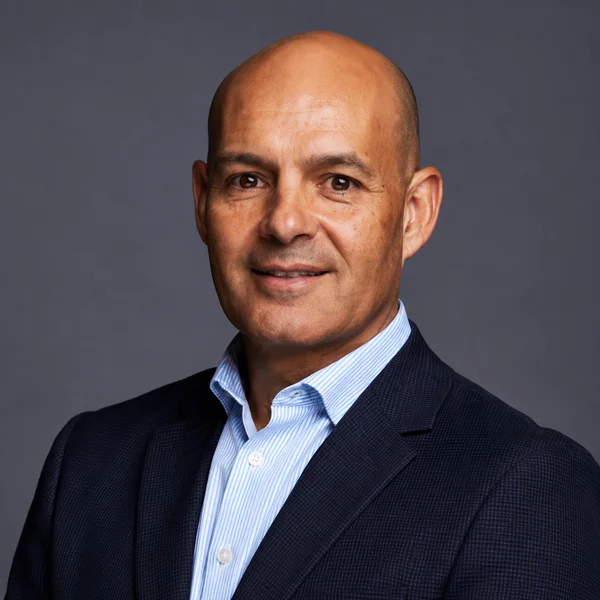
In just one day we turned scatter-shot demos and no business case into a connected flow that lands next-step commitments on eight out of ten calls. We now know exactly what to do at each sales stage.
Miles Hance-Lambie
Founder & CEO, Ontime

Closing Foundry turned our sales process into a repeatable execution system. They codified how we sell, built practical playbooks and embedded them into our workflow, giving us a clearer standard for discovery, qualification, deal progression and coaching, all tied to the commercial metrics I care about.
Zach Miller
CRO, VanillaSoft

Find out where your sales system stands.
A free, eight minute assessment that shows whether there is a serious problem, what's putting the number under pressure and what to fix first, including whether you need outside help at all.
Your report is emailed and yours to keep. No call. No obligation.
Frequently asked questions
Sales training improves skills. RevOps builds the data layer. A fractional CRO adds temporary leadership. Our method connects all three underneath live sales execution: it installs the stages, qualification standard, playbooks, CRM workflow, deal inspection tools and weekly rhythm that make the number easier to manage, not just easier to report on.
Early results appear in leading indicators: qualification tightens, stage discipline improves, CRM hygiene rises and forecast surprises reduce. Lagging indicators including win rate, cycle time, forecast accuracy and pipeline quality take longer because they depend on deal volume, cycle length and how consistently the new rhythm is applied. Most teams see the first leading shifts within weeks.
5 Days to Scale is the Design sprint. In five focused days, we inspect the current commercial motion, identify what to fix first and produce a practical GTM blueprint and 90-day execution plan. It's the right starting point when the team knows revenue execution needs to improve but isn't yet certain what to fix or build first.